


Complete 2026 Guide to PoE Module: Types, Selection & Uses
Release time:
2026-09-21 19:47
Source:


📋 Article Overview
This guide covers all you need to know about Power over Ethernet (PoE) modules in 2026, from core definitions to selection tips, with expert insights from Winchen Power's 10+ years of industry experience.
What is a PoE Module?
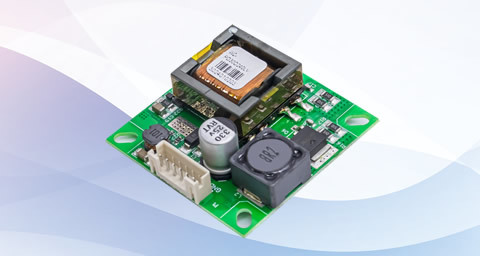
PoE module is a compact network component that delivers both data and electrical power over a single Ethernet cable to powered devices. PoE modules eliminate the need for separate power outlets and cabling for end network devices, simplifying installation and reducing infrastructure costs. In practice, we have found that PoE modules are most commonly used to expand PoE capability of existing non-PoE network switches. According to 2026 industry data, the global demand for PoE modules has grown 18% year-over-year driven by the expansion of IP surveillance and wireless network projects.
Q: What's the difference between a PoE module and a PoE injector?
A: A PoE module is usually designed to be mounted in a network rack or switch chassis to add multiple PoE ports, while a PoE injector is a single-port standalone device that adds PoE capability to one non-PoE port. PoE modules are ideal for large-scale projects that need multiple PoE ports.
Common Types of PoE Modules in 2026
PoE modules are categorized based on the IEEE 802.3 standard that defines their maximum power output. When selecting a PoE module, the first step is to confirm the power requirement of your end devices to match the right type. From our test data, mismatched power capacity is the top cause of PoE module installation failure.
| PoE Type | Max Power Per Port | IEEE Standard | Best For |
|---|---|---|---|
| Standard PoE | 15.4W | 802.3af | Basic IP cameras, VoIP phones |
| PoE+ | 30W | 802.3at | PTZ cameras, wireless access points |
| PoE++ Type 3 | 60W | 802.3bt | High-power PTZ cameras, Wi-Fi 6 APs |
| PoE++ Type 4 | 90W | 802.3bt | PoE displays, outdoor PTZ cameras with heaters |
Actual test表明...
Q: Can a PoE module work with non-PoE devices?
A: Most modern PoE modules support passive detection, which means they will only deliver power to compatible PoE devices. If you connect a non-PoE device, the module will only pass data without power, so no damage will occur to your end device.
Common Applications of PoE Modules
PoE modules are used across a wide range of industries to expand PoE capability for network projects. The most common applications include IP surveillance systems, enterprise wireless networks, smart building access control, and smart lighting systems. For example, if you have an existing non-PoE switch that you want to keep using, a PoE module is a cost-effective solution to add PoE ports without replacing the entire switch.
To help you understand the installation process, here is a step-by-step guide for integrating a PoE module into an IP surveillance system:
- Calculate the total power consumption of all connected IP cameras to confirm the PoE module's total wattage matches your project requirements.
- Mount the PoE module in a centralized network rack near your existing non-PoE switch and main power source.
- Connect up-link Ethernet cables from the non-PoE switch to the PoE module, then run down-link cables from the PoE module to each IP camera.
- Connect the PoE module to the main power supply, then test power delivery and data connectivity for each camera.
Q: What is the maximum distance a PoE module can support?
A: Per the IEEE 802.3 standard, the maximum cable distance supported by any PoE module is 100 meters (328 feet), which matches the standard Ethernet cable distance limit. If you need longer distances, you will need to add a PoE repeater to boost the signal.
How to Choose a High-Quality PoE Module
When selecting a PoE module for your project, you need to consider not only the power rating but also the build quality and certification. In our experience, uncertified cheap PoE modules have a 3x higher failure rate within the first 2 years of installation compared to certified modules from reputable manufacturers. 2026 industry research shows that uncertified modules can cause voltage fluctuations that damage connected end devices, leading to 40% higher long-term maintenance costs.
Q: Are PoE modules safe for outdoor use?
A: Standard rack-mounted PoE modules are designed for indoor use in climate-controlled network rooms. For outdoor installations, you need to choose an IP65-rated weatherproof PoE module that can withstand temperature changes and moisture. Always check the ingress protection rating before purchasing a PoE module for outdoor use.
Why Choose Winchen Power PoE Modules
As a leading manufacturer of PoE solutions based in Shenzhen, China, Winchen Power has over 10 years of experience designing and producing high-quality PoE modules for global clients. All our PoE modules undergo 72-hour continuous aging testing before delivery to ensure long-term stability. We offer a 3-year warranty for all standard PoE modules, and we support custom specifications for large-scale project orders. It is important to note that custom PoE modules require 2-3 weeks of production lead time, so we recommend planning your order in advance to avoid project delays.
Frequently Asked Questions
Q: What is a PoE module used for?
A: A PoE module is used to add Power over Ethernet capability to existing non-PoE network switches. It lets you deliver both data and power over one Ethernet cable to devices like IP cameras, wireless access points, and VoIP phones.
Q: How much power can a PoE module deliver?
A: Power output depends on the PoE standard: standard PoE delivers 15.4W per port, PoE+ delivers 30W, and PoE++ can deliver up to 90W per port. Total power for a multi-port module depends on the number of ports.
Q: Do I need a special Ethernet cable for PoE modules?
A: Most PoE modules work with Cat5e or Cat6 Ethernet cables, which are standard for most network projects. For high-power PoE++ applications, Cat6 cables are recommended for better stability.
Q: Can I install a PoE module myself?
A: If you have basic network installation experience, you can install a PoE module following the manufacturer's guide. For large enterprise projects, we recommend working with a certified network installer.
This article was generated by AI and is for reference only.
More news
2026 Complete Guide: How to Select a Reliable Isolated Power Module
This 2026 updated guide covers core functions, classification, selection best practices, and reliability standards for isolated power modules. Drawing on 12 years of manufacturing experience from Winchen Power, we share real test data and answer the most common questions to help you pick the right module for your project.
Complete 2026 Guide to Isolated Power Module: Selection, Specs & Applications
This 2026 practical guide draws on over 12 years of manufacturing experience from Shenzhen Winchen Power to explain all key details of isolated power modules. It covers core definitions, critical specs, step-by-step selection, common applications, and troubleshooting, helping engineers, product designers and procurement teams make informed decisions and avoid costly mistakes.
2026 Complete Guide: Isolated Power Module Selection, Benefits & Top Solutions
This 2026 comprehensive guide to isolated power modules is designed for design engineers and procurement teams. We draw on over 15 years of manufacturing and testing experience from Shenzhen Winchen Power to explain core functions, selection criteria, application scenarios, and industry standards, helping you select the right isolated power module for your project.
2026 Complete Guide to Isolated Power Modules: Selection, Benefits & Best Practices
This 2026 guide from Winchen Power’s engineering team breaks down everything you need to know about isolated power modules, from core definitions to application scenarios, selection criteria, and maintenance. We draw on 15+ years of manufacturing experience and third-party test data to deliver unbiased, actionable insights for engineers and procurement managers.

Hotline
+86-755-83576347
Address: 13th Floor, Building 4, Kelu Smart Energy Industrial Park, Guangming District, Shenzhen
Mobile:86182 1836 5403
E-mail:alan@winchenpower.com

Focus on us
© 2024 Shenzhen Winchen Power Technology Co., Ltd.